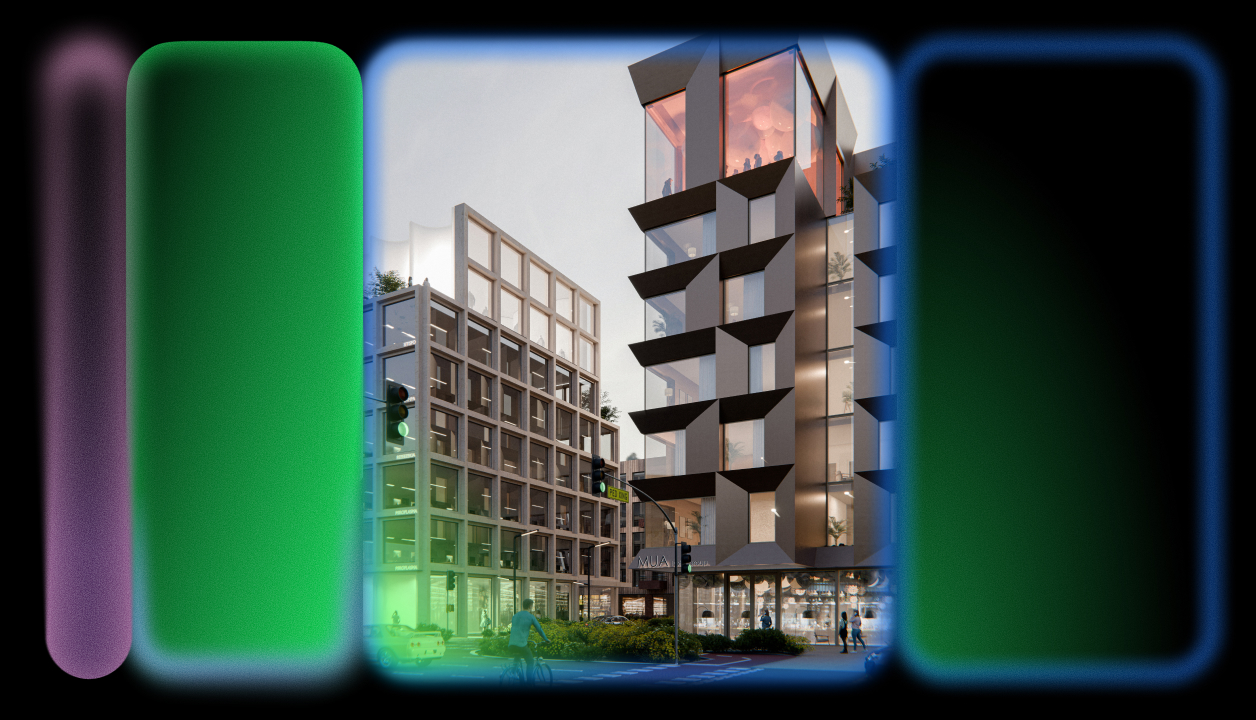
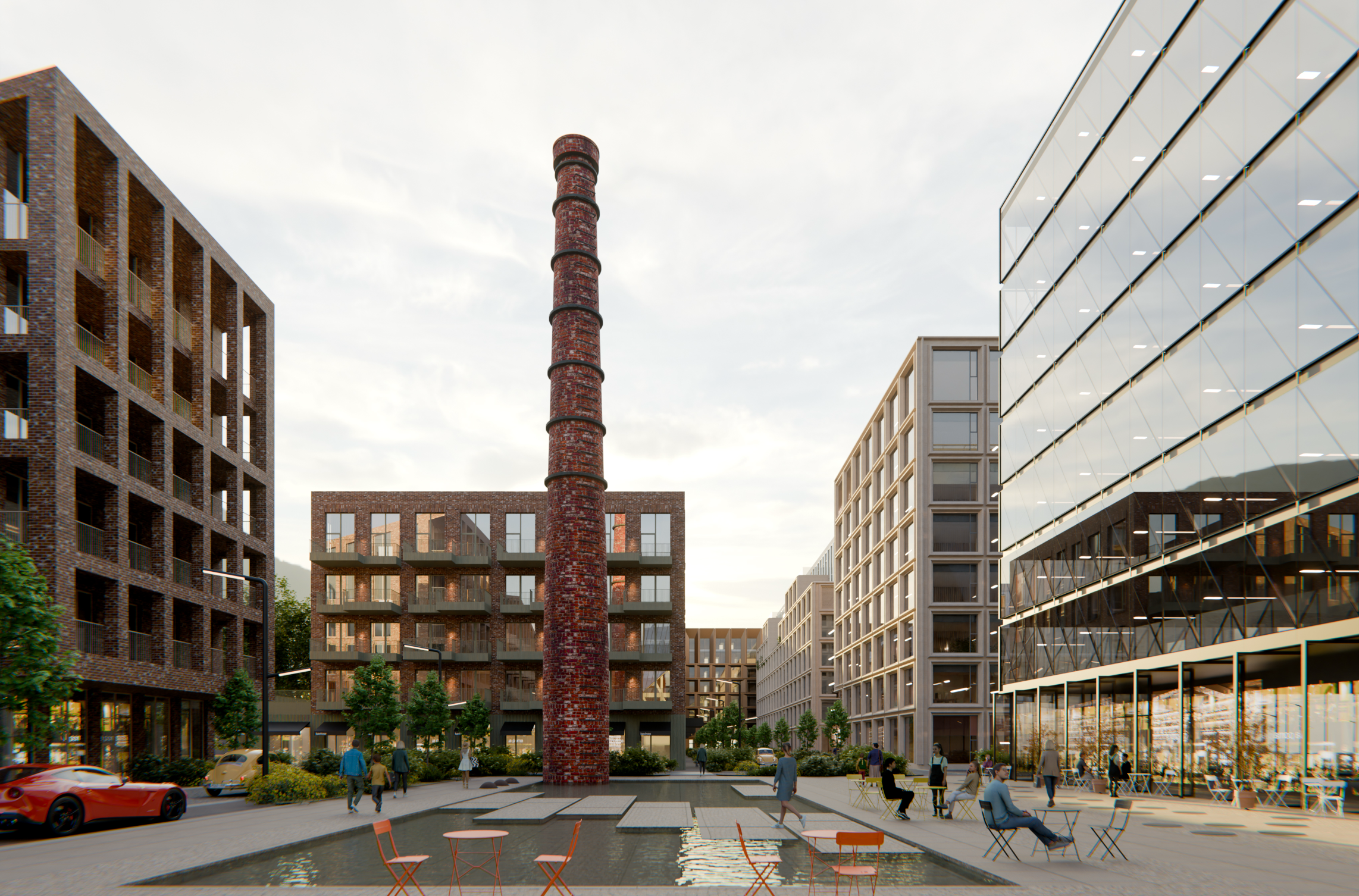
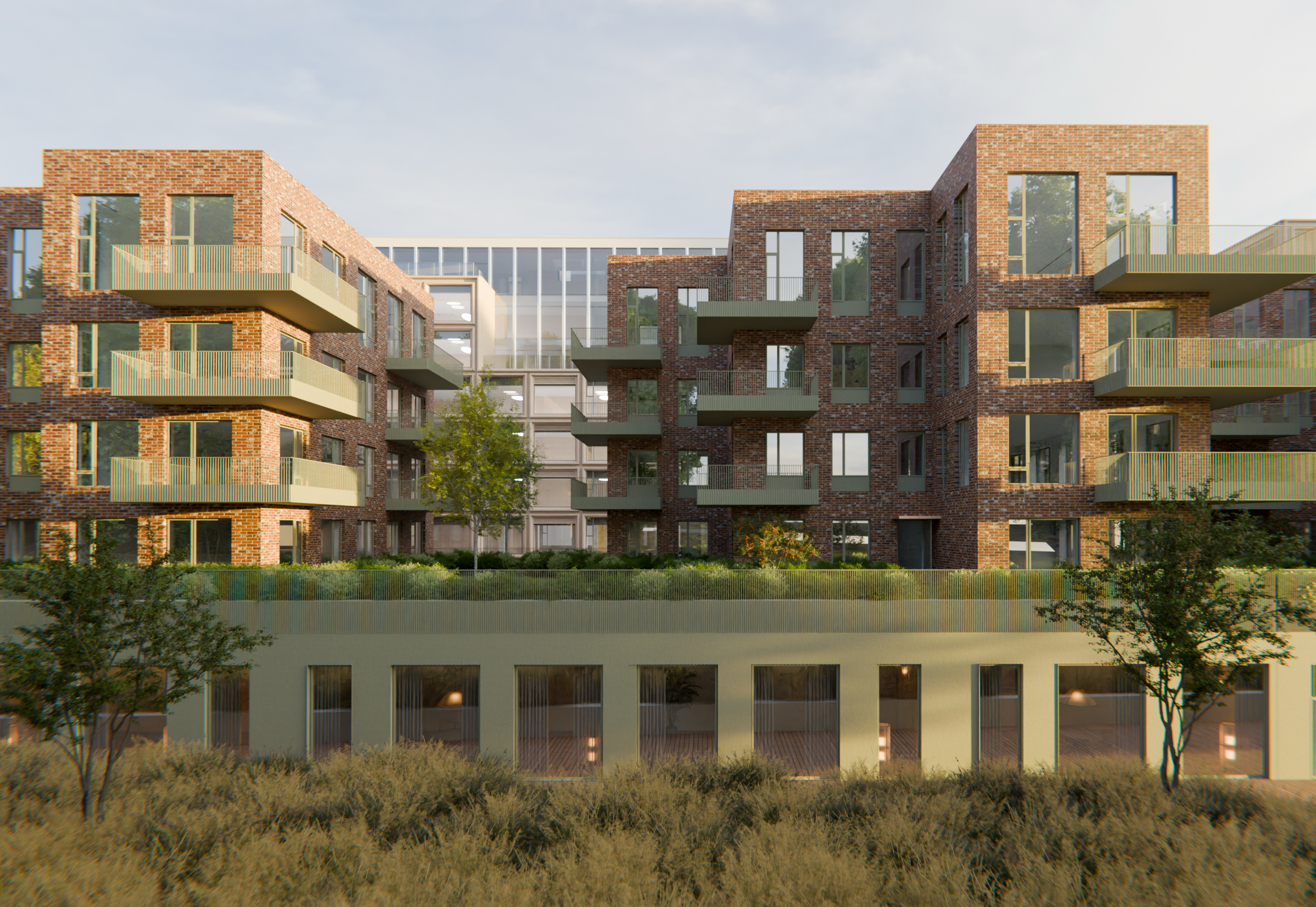
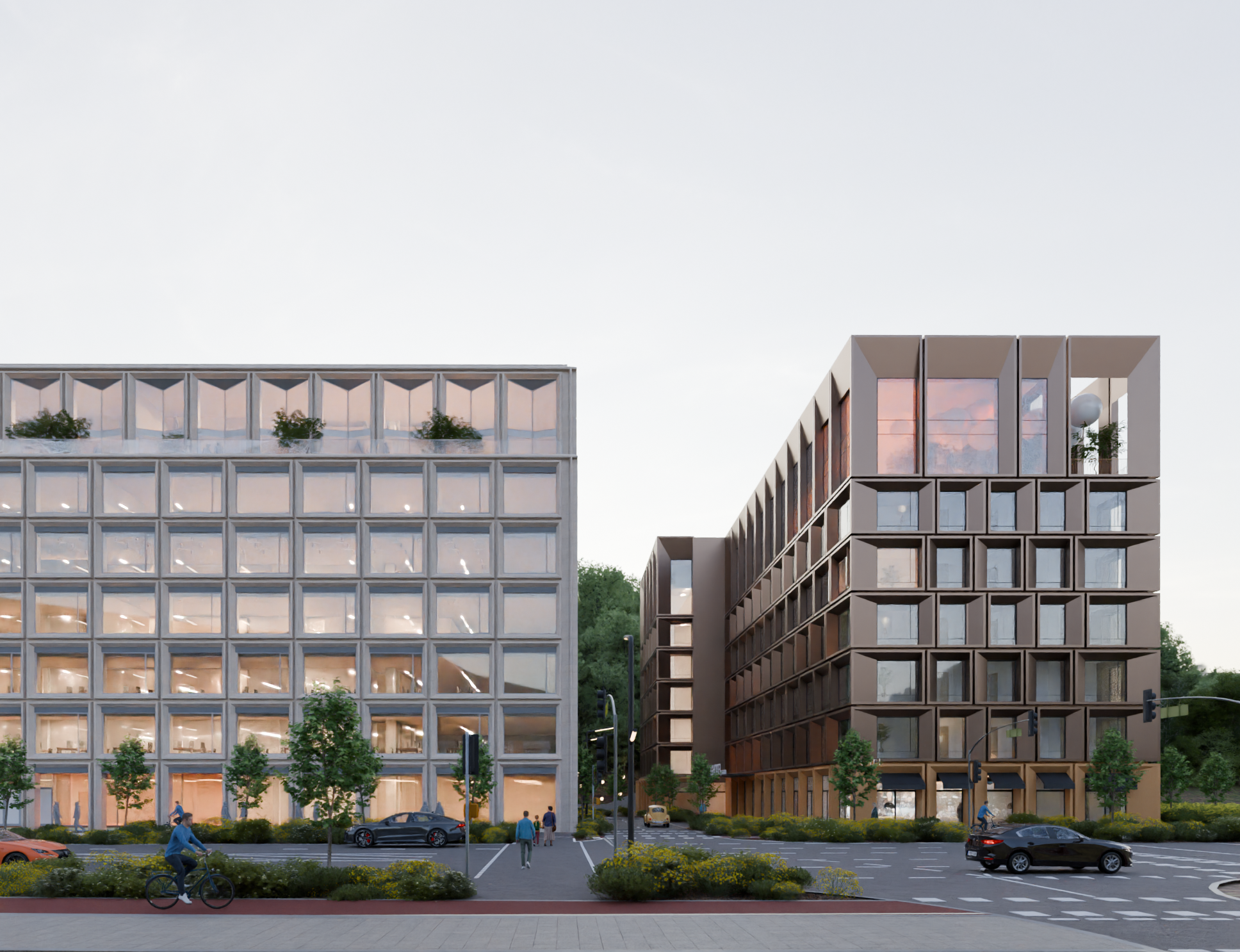
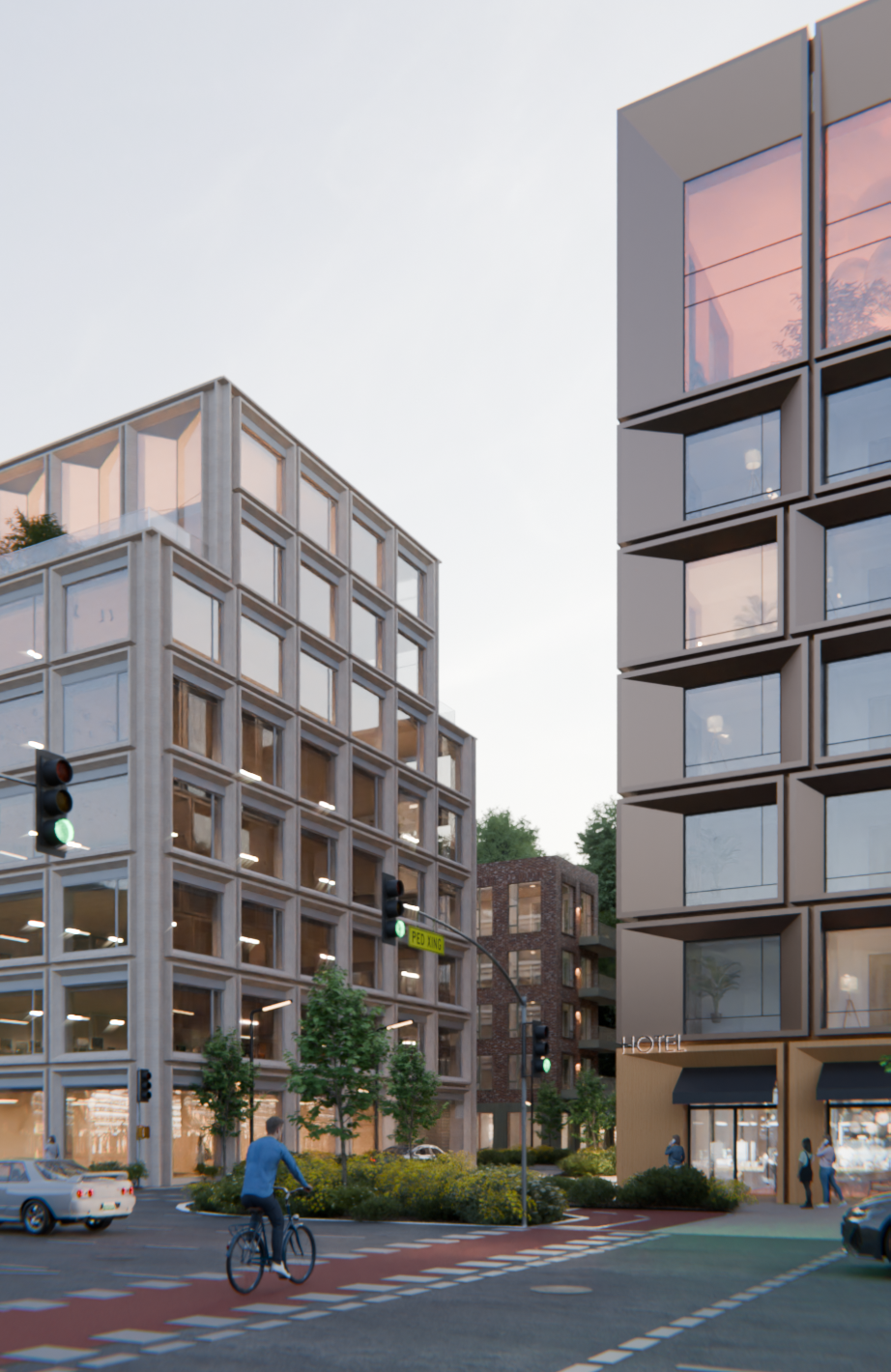
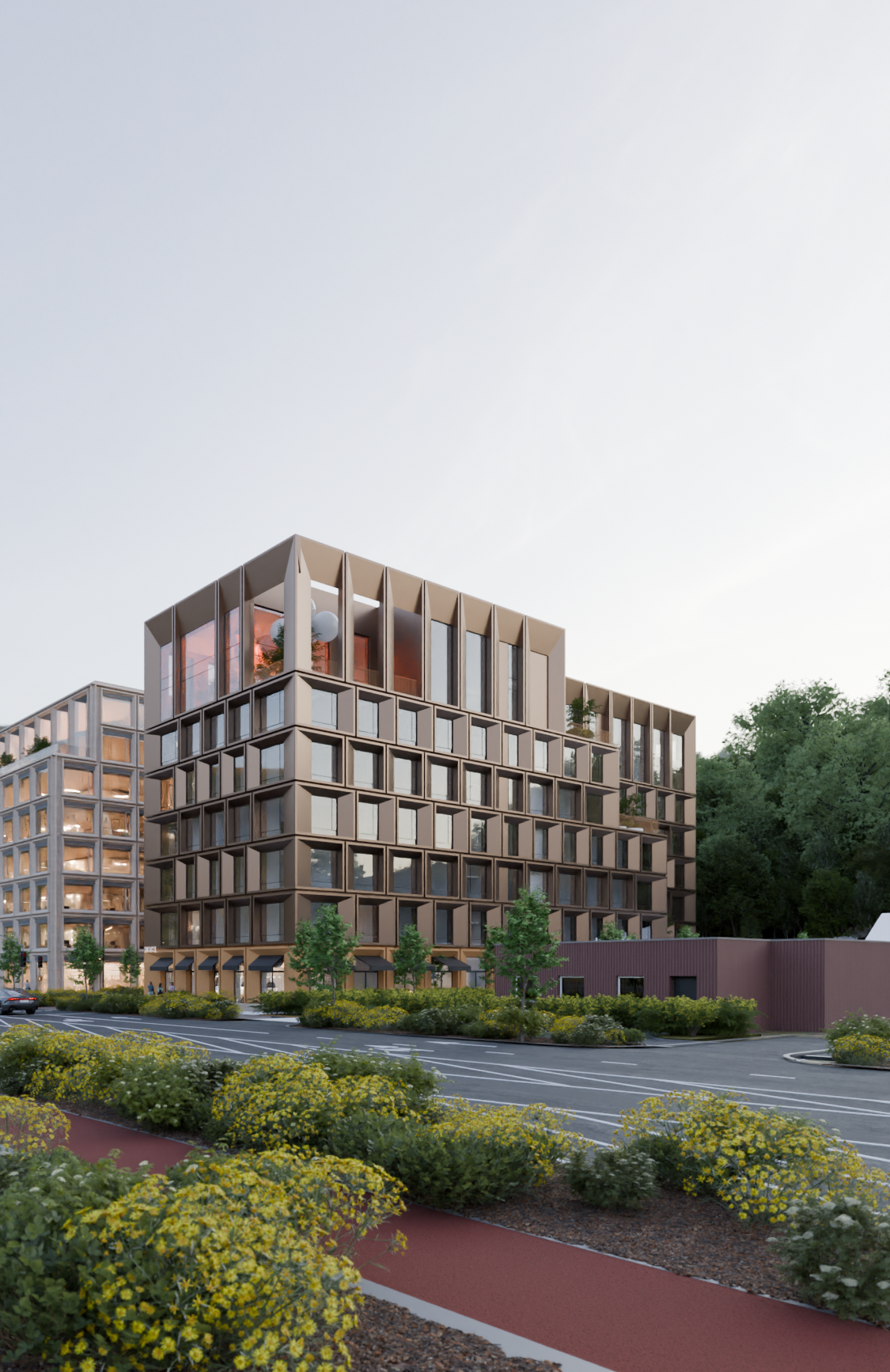
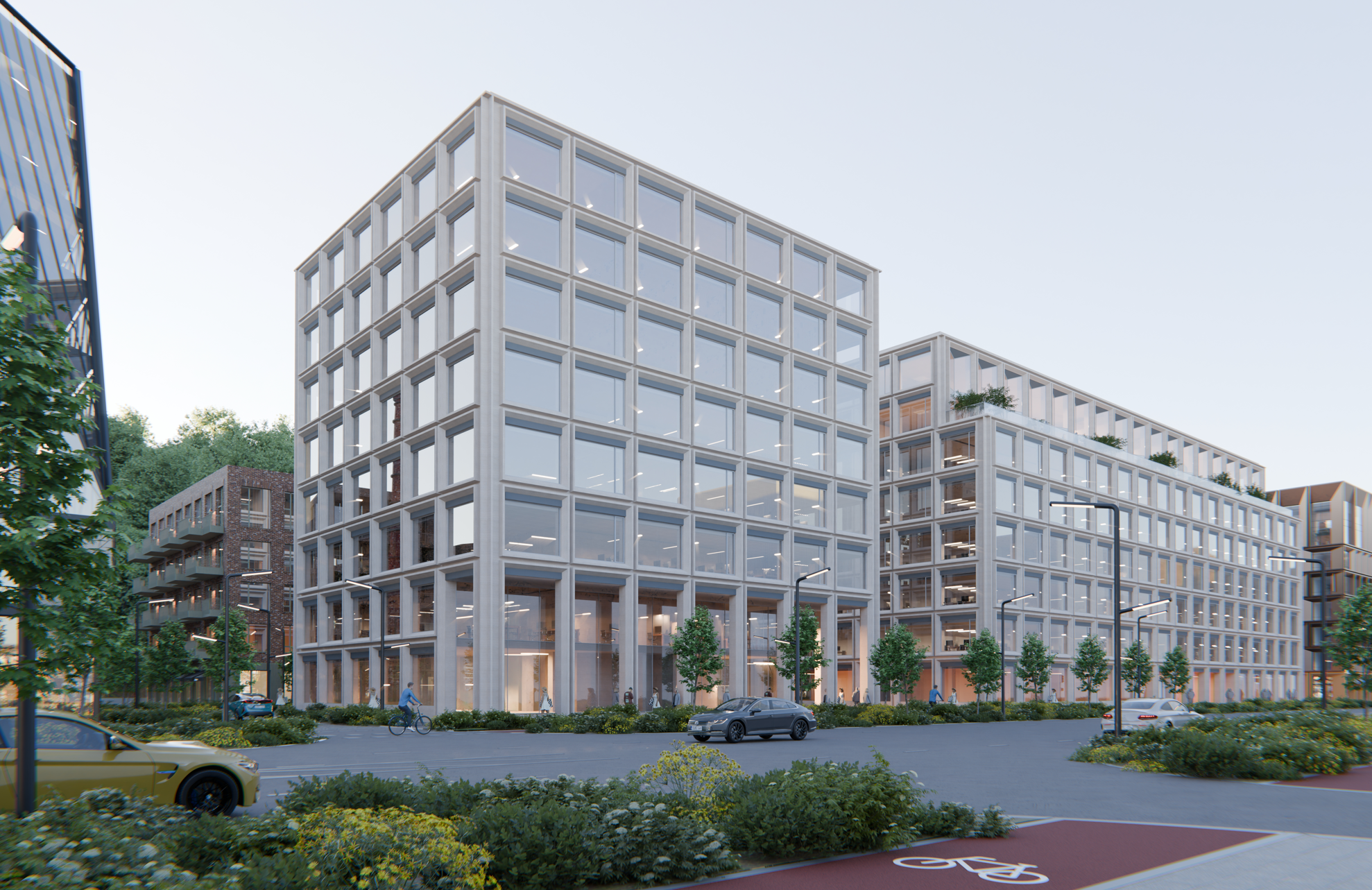
As Tesonet continues to expand its ecosystem of companies, the company is also investing in the spaces that will support its long-term growth. Tesonet has received a construction permit for the first phase of its mixed-use development in Kaunas’ Lower Freda district.
The first phase of the project will comprise approximately 40,000 square meters of space, integrating offices, residential buildings, a hotel, conference facilities, sports and wellness amenities, retail, dining, and public-facing services within a single mixed-use development. An underground parking facility will extend across the entire site, and the project is planned to achieve BREEAM New Construction certification.
Located in Lower Freda, the development forms part of the broader regeneration of Kaunas’ left bank of the Nemunas River, an area that is rapidly emerging as a natural extension of the city centre. Several key city developments are shaping this transformation, including the M. K. Čiurlionis Concert Centre, a new pedestrian and bicycle bridge to Nemunas Island, the renewal of H. and O. Minkovskių Street, and a series of new mixed-use districts.
According to Be Live CEO Darius Kvedaras, the conversion of former industrial territories in Lower Freda requires a broader approach than traditional building design.
“A new district requires balancing different functions, underground infrastructure, sustainability challenges, mobility solutions, and the wider urban context. Today, Lower Freda is becoming a continuation of Kaunas city centre on the left bank of the Nemunas, which means such projects must create a coherent structure for a new part of the city,” says Be Live CEO Darius Kvedaras.
The project transforms a former industrial site into a mixed-use district with buildings designed for multiple functions. The hotel component will include accommodation spaces, a restaurant, bar, sports club, multifunctional halls, and other shared areas.
The administrative section will include office spaces, conference facilities, commercial premises, restaurants, cafés, and service areas. Residential buildings will feature two- and multi-room apartments, while the ground floors are designed for active street-level uses such as cafés, bakeries, service providers, and other businesses serving both residents and the wider community.
Sustainability principles are integrated from the earliest stages of development. In pursuit of BREEAM New Construction certification, the project evaluates solutions related to energy efficiency, indoor environmental quality, materials, water usage, waste management, mobility, and environmental impact.